
 Armenian culture
Your First Armenian Wedding: What to Expect
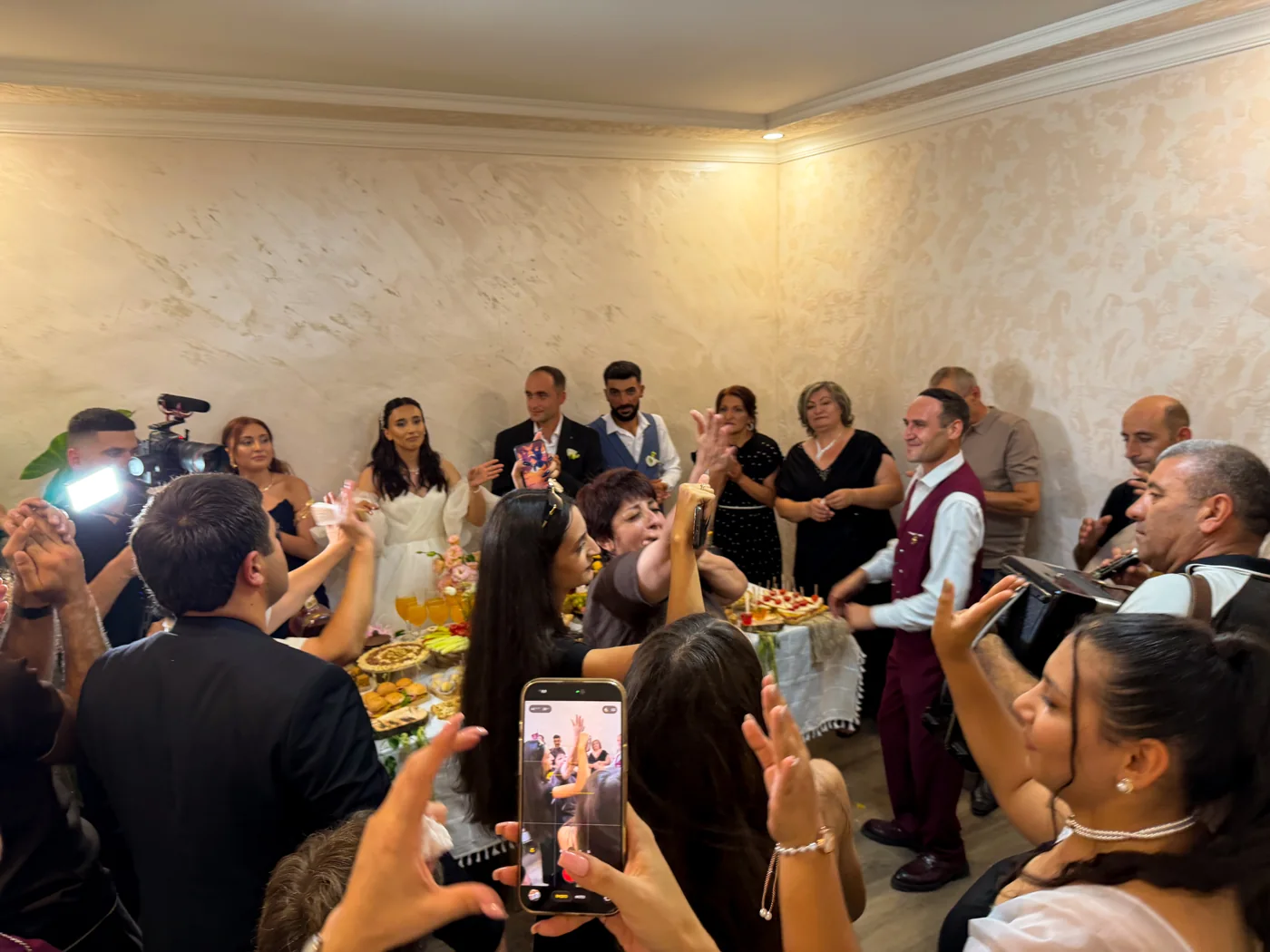
Your first Armenian wedding might start with music at a family home and end with you dancing alongside people you met that morning. In between? Heartfelt toasts, generous plates of food, and plenty of reasons to stay for one more song.Read more Show less
Today, Armenian wedding traditions blend family customs with the couple’s personal style. Every celebration is different, but here’s what you might experience—and how to feel comfortable joining in.
Before the wedding
For some families, celebrations begin with khosk arnel, a meeting traditionally held at the bride’s family home.
Historically, the groom’s family formally asked for the bride’s hand in marriage. Today, couples may keep the custom as a way to introduce their families and receive their blessing.
The engagement may be a small gathering at home or a bigger restaurant celebration. An engagement ring is usually part of the occasion, and the groom’s family may bring gifts.
The wedding might follow within months or much later. There’s no fixed timeline.
The wedding morning
The bride and groom may start the day at their respective family homes, surrounded by relatives and friends.
The kavor, often translated as the wedding godfather or sponsor, plays an important role in supporting the couple and taking part in key rituals.
Meanwhile, the bride gets ready with her family and friends. Flowers, photographs, and a table prepared for the groom’s arrival set the scene.
Many couples choose a white wedding dress and a suit or tuxedo, combining contemporary styling with longstanding customs.
Music, gifts, and playful traditions
The groom may arrive with relatives, friends, and musicians, with dancing beginning before anyone gets through the door.
His family may carry decorated trays or baskets, sometimes called sini, filled with sweets, gifts, and items for the bride. Expect lively greetings and congratulations all around.
In some families, someone hides one of the bride’s shoes. Getting it back involves playful negotiation and a symbolic payment from the groom’s side. Money may also be placed inside a shoe as a wish for prosperity.
Before the bride puts on her veil, the wedding godmother or another woman close to the family may circle it around her head three times.
Curious about a ritual? Ask someone nearby. Customs and their meanings can differ between families.
A relative—often the bride’s brother—may playfully block the doorway before the couple leaves.
The kavor negotiates a symbolic payment so the wedding party can continue. Some versions involve a ceremonial knife or sword, though many families adapt or skip this tradition.
The church ceremony
For couples having an Armenian Apostolic church wedding, the ceremony is a central part of the day.
The priest leads prayers and blessings, including the crowning of the bride and groom. The crowns symbolize glory, honor, and sacrifice within married life. Read about the ceremony’s symbolism.
As a guest, follow the wedding party’s lead and any guidance about taking photographs. Afterward, there’s usually time for congratulations before the celebrations continue.
Welcoming the newlyweds
Some families welcome the newlyweds with honey for a sweet life together. Lavash, Armenia’s traditional flatbread, may also feature in the ritual.
The couple may then break plates for good luck. These customs can take place at a family home or the reception venue, depending on the celebration. Explore these Armenian wedding customs.
Food, music, and dancing
Food is a big part of an Armenian wedding, with generous tables and plenty of opportunities to talk and meet people.
Some receptions bring together hundreds of guests; others are more intimate. Either way, pace yourself—there’s a whole evening ahead.
Traditional music often shares the playlist with contemporary favorites. The bride may perform a solo Armenian dance, and the couple may share a first dance.
You don’t need to know the steps to join in. Watch the people around you, follow along, and enjoy it. Comfortable shoes are a good idea.
Sweet endings and wedding favors
Some couples include cake cutting and a bouquet toss alongside Armenian customs.
Guests may also receive a tarosik, a small wedding favor associated with passing on wishes for a future marriage, particularly to unmarried guests. It’s a little keepsake wishing for more happy celebrations ahead.
Tips for wedding guests
- Check the dress code. Ask what suits the venue and church ceremony.
- Wear comfortable shoes. You may spend plenty of time dancing.
- Ask about gifts. Your host can explain what’s appropriate.
- Confirm the invitation details. A reception invitation may not include the morning gatherings.
- Ask before posting photos. Especially during private family moments.
- Join at your own pace. Drinking and dancing are always your choice.
Customs vary between regions, communities, and generations. Stay curious, follow your hosts’ lead, and enjoy getting to know the people around you.
Experience Armenian hospitality
A wedding offers a personal introduction to Armenian culture: relatives catching up, friends making toasts, and generations sharing a dance floor.
LikeLocal connects travelers with local people through family meals, gatherings, and celebrations.
Curious about joining an Armenian wedding? Explore LikeLocal and ask about opportunities during your visit. Every invitation starts with a host choosing to welcome you into their celebration.
Bring your curiosity—and leave room for a late night.